
Define the product purchase
A mixed-sludge polymer should be selected against the blend the plant actually handles. A monthly average primary-to-secondary ratio can hide short periods that control drainage or capture. Define the practical blend range before requesting a single grade or a multi-grade supply arrangement.
Identify the stream, separator and unresolved limitation before selecting a trial grade. Preserve the proposed commercial code so laboratory work and purchasing refer to the same material.
Preserve the separate feed information
Record the component streams, solids concentration, storage and blending method. Distinguish wet-volume ratios from dry-solids contributions. Note whether laboratory blending reproduces the plant contact and storage time.
Equal volumes of different-solids sludges do not represent equal dry-solids fractions; keep the basis explicit in each sample label.
Test relevant blend states
Compare the incumbent and justified candidates across the normal and limiting blends. Hold preparation and active-dose calculation consistent, and observe the separator-appropriate outputs.
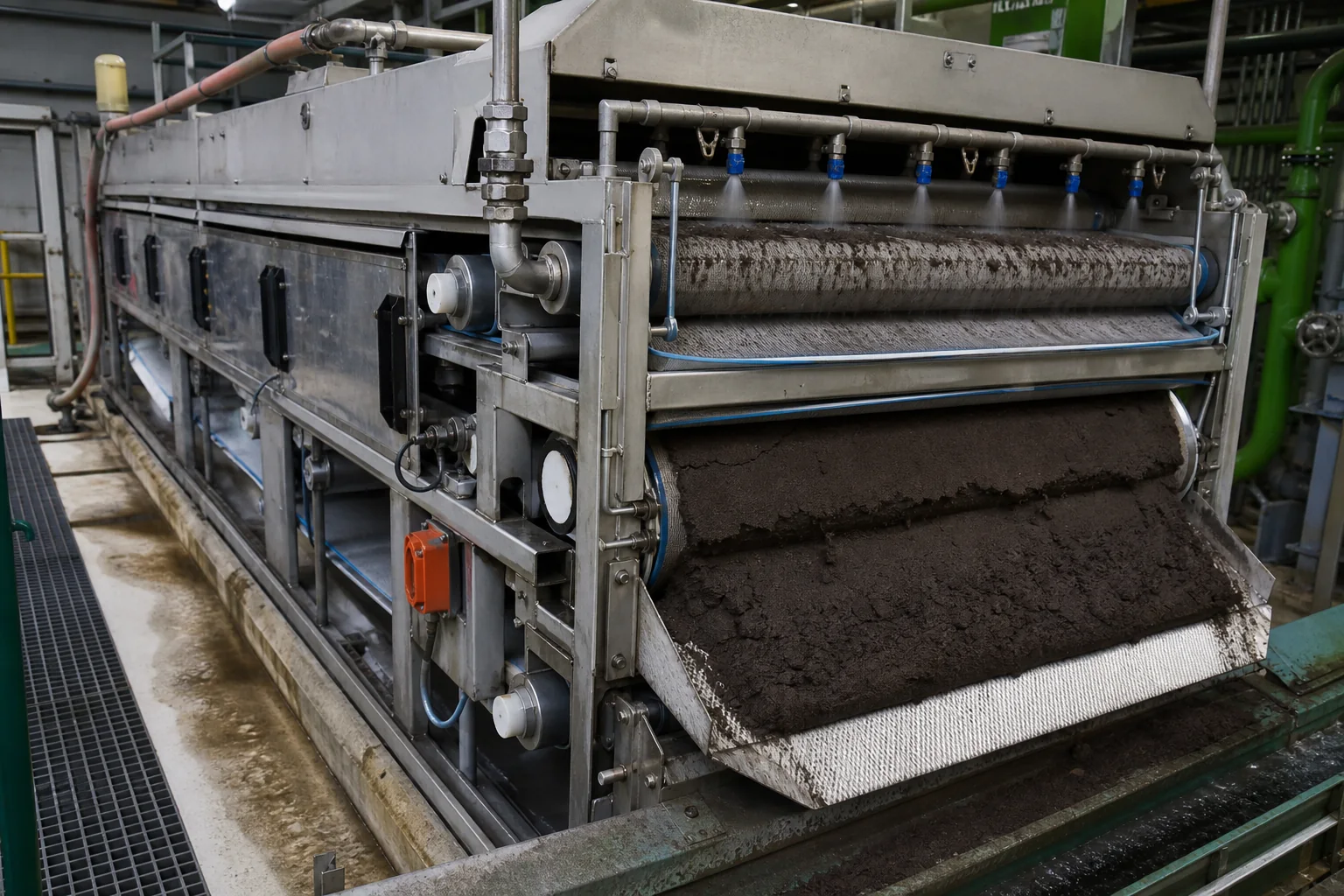
The screening controls help maintain a credible comparison while machine tests address actual drainage and compression.
Choose a manageable supply strategy
Compare the useful range of one grade with the handling and identification burden of multiple grades. State who can change the product, how inventories remain segregated and what result triggers a repeat screen.
A laboratory two-grade strategy is incomplete if operators cannot trace stock or safely reproduce the proposed changeover under normal staffing.
Resolve a conflicting result
If one candidate wins only on a primary-rich blend while routine feed becomes secondary-rich, its original approval is limited. Test the operating boundary instead of compensating with indefinite dose increases.
Retain the reference condition and repeat the comparison where sampling or instrument variability obscures the difference. Report what remains untested rather than extending one favorable response to the entire plant.
Set the release evidence
| Acceptance check | Evidence | Purchase decision |
|---|---|---|
| Blend | Component solids and ratio basis | Comparable mixtures |
| Range | Normal and limiting states | Approval bounded |
| Supply | Grade-change and stock controls | Strategy operable |
Keep preparation, calibrated active delivery, feed condition and output measurements together. Record rejected conditions as well as the accepted range so a later delivery can be assessed against a reproducible reference.
Request an application-matched offer
Send separate feed results, blend variability, storage arrangements and machine data. Request a candidate range that addresses the actual blend envelope and the practical inventory plan.
Use the wastewater PAM sample and quotation form and review product documents and delivery controls with Gongyi Xinqi Polymer Co., Ltd.. Confirm offered grades, commercial terms and any required approvals before ordering.